Debunking Car Myths: Buying a Used Luxury Car
Table of Contents
- 1. Is the myth true that luxury cars always depreciate faster than other vehicles?
- 2. Are pre-owned luxury cars always unreliable or prone to mechanical issues?
- 3. Do pre-owned luxury cars always cost more to maintain and repair?
- 4. Does buying a pre-owned luxury vehicle mean you can't get a warranty?
- 5. Are high-mileage pre-owned luxury cars always a bad buy?
- 6. Are dealership pre-owned luxury cars less trustworthy than private sales?
- 7. Is a certified pre-owned luxury vehicle always the best choice?
- 8. Are advanced features like infotainment and driver-assist systems more trouble than they're worth?
- 9. Do people avoid buying pre-owned luxury SUVs because they consume more fuel?
- 10. Is buying a pre-owned luxury car always riskier than buying a new car?
- 11. Are certain luxury brands better choices when buying pre-owned—like BMW, Audi, or Mercedes-Benz?
- 12. How can buyers spot myths and avoid costly mistakes when buying pre-owned luxury cars?
- 13. What are the top tips for smart buyers considering pre-owned luxury cars?
- 14. How do buyers evaluate resale value and time to sell for pre-owned luxury cars?
- Conclusion
The decision to buy a pre-owned luxury car can feel daunting. Many car buyers encounter myths about buying pre-owned luxury vehicles that discourage them from exploring high-end options like BMW, Audi, Lexus, or Mercedes-Benz. This guide highlights why understanding common misconceptions about buying pre-owned luxury cars matters, how to evaluate warranty and service history, and how a reliable dealer can make buying a used luxury car a smart, cost-effective choice.
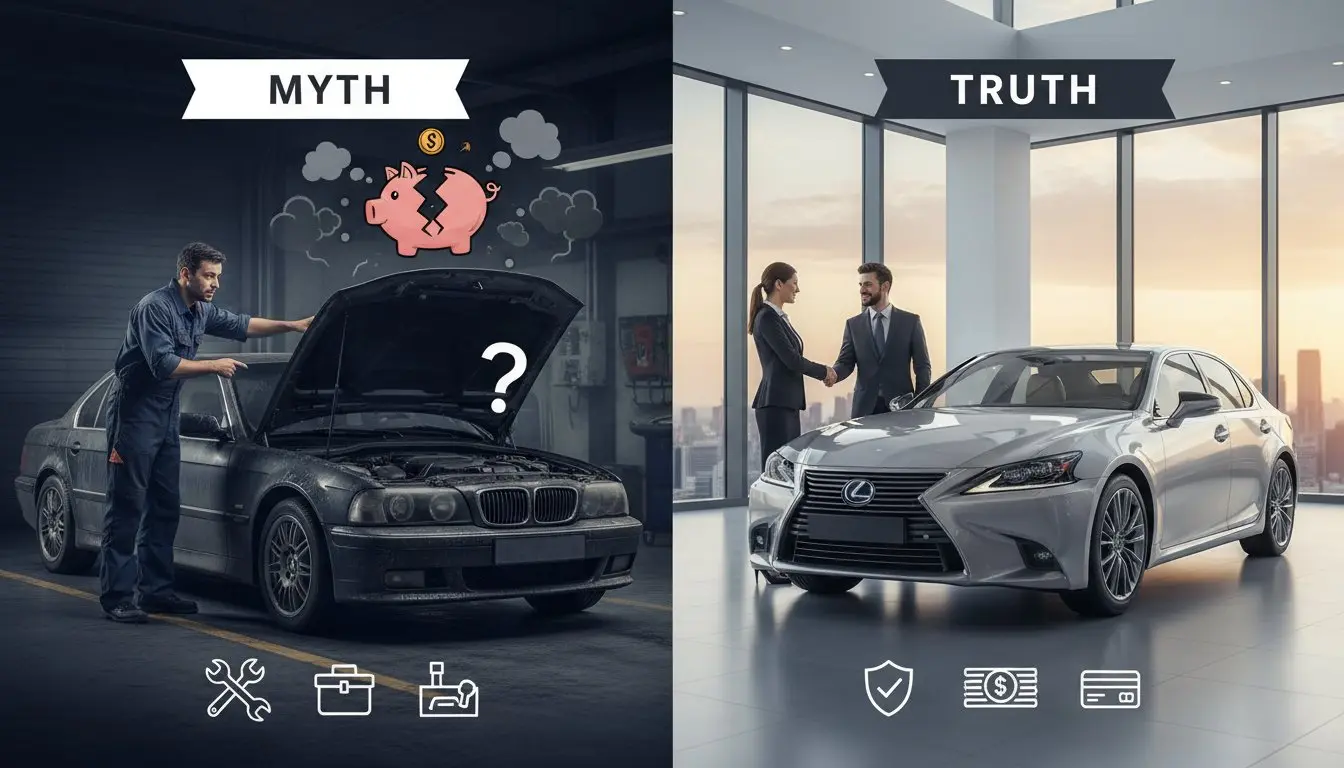

1. Is the myth true that luxury cars always depreciate faster than other vehicles?
A common myth is that luxury cars depreciate more quickly than average vehicles, leaving buyers with poor resale value. While it's true that many new luxury cars experience significant depreciation in the first few years, the depreciation curve varies by brand, model, and market demand. Some pre-owned luxury vehicles, especially low-mileage examples from reputable brands like Lexus or Porsche, can hold their value better than mid-range new cars because the heaviest depreciation has already occurred in the first owner's tenure.
For buyers focused on resale value, researching models with strong resale value and certified pre-owned options can mitigate depreciation concerns. Certified pre-owned programs often come with extended warranties and thorough inspections, making it easier for a buyer to predict ownership costs and future resale price. Consider factors such as maintenance records, mileage, and service history when estimating how a particular luxury vehicle will depreciate over time.
2. Are pre-owned luxury cars always unreliable or prone to mechanical issues?
Another common myth about used luxury cars is that they are inherently unreliable or will require exorbitant repairs. This misconception often stems from the perception that luxury vehicles have complex systems and premium features that are expensive to maintain. However, many pre-owned luxury cars from brands like Lexus and Mercedes-Benz are built with top-tier engineering and can be extremely reliable when properly maintained.
Reliability for a pre-owned luxury car often depends on how well previous owners followed maintenance schedules and whether the vehicle has a documented service history. Buyers should prioritize vehicles that have been carefully inspected and come with service receipts. Additionally, certified pre-owned programs and extended warranties provide added trust and help protect buyers from costly repairs during the early years of ownership.
3. Do pre-owned luxury cars always cost more to maintain and repair?
People avoid buying luxury cars because they assume maintenance and repair costs are always higher than those of mainstream models. While parts for some luxury brands can be more expensive, maintenance costs are not universally exorbitant. Many modern luxury vehicles are fuel-efficient, have longer service intervals, and include features that reduce long-term upkeep. For example, some diesel and hybrid luxury variants can be surprisingly economical to run.
To manage maintenance costs, buyers should look for pre-owned luxury cars with full service history and recent inspections. A trusted dealer or independent mechanic can advise on typical repair costs for specific models. Additionally, extended warranties and certified pre-owned programs can cover major repairs, providing financial predictability for buyers worried about repair bills.
4. Does buying a pre-owned luxury vehicle mean you can't get a warranty?
Another myth about buying used luxury cars is that warranties are unavailable. In reality, many dealerships and manufacturers offer certified pre-owned warranties and extended warranties that cover major components like the engine and transmission. These guarantees can provide peace of mind similar to buying a brand-new vehicle, reducing the perceived risk of buying pre-owned.
When shopping for used cars for sale, look for listings that include certified pre-owned status, remaining factory warranty, or dealer-backed extended warranties. A reliable dealer will explain warranty coverage, transferability, and any deductible terms. This transparency helps potential buyers compare the overall value between buying new and buying a well-inspected pre-owned luxury car with warranty protection.
5. Are high-mileage pre-owned luxury cars always a bad buy?
Many people assume that high mileage automatically makes a pre-owned luxury car a poor purchase. While high mileage can indicate more wear, it doesn't automatically mean the vehicle will be unreliable. The key is how the vehicle was maintained and the type of driving it experienced. Highway miles often cause less wear than frequent short trips, and a well-documented service history can offset mileage concerns.
Buyers should request a comprehensive inspection and review maintenance records. Some high-mileage luxury cars were maintained at top-tier service centers and can outperform lower-mileage vehicles that were neglected. Certified pre-owned programs often include rigorous inspections that catch potential issues, offering an extra layer of trust for buyers considering higher-mileage options.
6. Are dealership pre-owned luxury cars less trustworthy than private sales?
There's a misconception that buying from a dealer is always pricier or less trustworthy than a private sale. However, reputable used car dealers and used car dealerships often provide advantages that private sales cannot match: certified inspections, service history verification, extended warranties, and trade-in options. Dealer-backed vehicles commonly go through careful inspections and reconditioning, which can make them more reliable as used luxury cars for sale.
When choosing where to buy, look for dealers with a strong reputation, transparent listings, and reviews from previous customers. A trustworthy dealer will provide a detailed vehicle history report, explain any prior repairs, and offer financing options. For many buyers, the extra assurances from dealers outweigh the potential cost savings of a private sale.
7. Is a certified pre-owned luxury vehicle always the best choice?
A common myth about buying pre-owned luxury cars is that certified pre-owned (CPO) is always the best option. While CPO vehicles offer benefits like extended warranties, thorough inspections, and certified service history, they're often priced higher than comparable non-certified used cars. The best choice depends on your priorities: budget, desire for warranty coverage, and tolerance for potential maintenance.
If you prioritize peace of mind and predictable used car finance options, a certified pre-owned vehicle can be the right fit. If maximizing value is your goal, a non-certified but carefully inspected pre-owned luxury vehicle with a strong service history and recent maintenance can be an excellent alternative. Weigh the price tag, coverage length, and inspection details to decide which route aligns with your buying luxury vehicles goals.
8. Are advanced features like infotainment and driver-assist systems more trouble than they're worth?
Another myth about buying pre-owned luxury cars is that premium features such as advanced infotainment, lane assist, and driver-assist systems are likely to malfunction and cause expensive repairs. While these systems are more complex, they often enhance safety and comfort and are generally reliable when properly maintained. Modern luxury vehicle electronics are designed for longevity, and many issues are software-related and solvable through updates rather than mechanical repair.
Potential buyers should verify the functionality of infotainment, driver-assist, and other premium features during a test drive and inspection. Ask the dealer about any past software updates or related recalls. If you're concerned about long-term support, brands with strong reliability records, like Lexus, tend to offer robust software and service networks for maintaining advanced systems.
9. Do people avoid buying pre-owned luxury SUVs because they consume more fuel?
Many potential buyers fear that luxury SUVs and large premium vehicles will be significantly less fuel-efficient than smaller cars. While some older SUVs and high-performance models can consume more fuel, the landscape has changed with turbocharged engines, diesel variants, hybrids, and more fuel-efficient powertrains available in luxury segments. Today's pre-owned luxury SUVs can be surprisingly fuel-efficient compared to older generations.
When considering an SUV or a premium crossover, compare fuel economy figures among model years and engine types. Diesel and hybrid options often deliver improved fuel efficiency without sacrificing performance. For budget-conscious buyers, choosing a pre-owned luxury SUV with proven fuel economy and a documented maintenance history will reduce long-term operating costs.
10. Is buying a pre-owned luxury car always riskier than buying a new car?
Another widespread myth is that buying a pre-owned luxury car is always riskier than buying brand-new. While new cars have the latest features and factory warranty coverage, pre-owned luxury vehicles can offer tremendous value: lower price tags, slower depreciation after the initial owner, and access to higher-end trims for the same budget. The key is doing due diligence—inspection, service history review, and choosing a trusted dealer or certified pre-owned program.
Used car finance options from dealerships often make it easier to afford a premium model, and extended warranties can make pre-owned ownership safe and predictable. For many car buyers, selecting a well-maintained second-hand luxury car enables ownership of a dream car at a fraction of the new car price, with reliable performance and premium features intact.
11. Are certain luxury brands better choices when buying pre-owned—like BMW, Audi, or Mercedes-Benz?
Many car buyers ask whether certain brands are safer bets in the pre-owned luxury market. Brands like Lexus are often praised for long-term reliability, while BMW, Audi, and Mercedes-Benz offer performance and premium features that appeal to enthusiasts. Each brand has models that excel in reliability and resale value as well as models that are more maintenance-intensive.
When choosing between brands, research model-specific reviews, typical maintenance costs, and common mechanical issues. Look for vehicles with a complete service history and low to moderate mileage. A reliable dealer can guide you toward the best used luxury car models that align with your priorities: performance, comfort, reliability, or resale value.
12. How can buyers spot myths and avoid costly mistakes when buying pre-owned luxury cars?
To separate fact from fiction, potential buyers should follow a clear checklist: obtain a vehicle history report, request full maintenance records, have the car carefully inspected by a trusted mechanic, and prefer certified pre-owned options when possible. These steps help debunk common myths about used luxury cars and reduce the likelihood of unexpected repairs.
Practical steps include checking for extended warranties, confirming trade-in values, and comparing prices across dealers. Use trusted online resources to research model-specific concerns—such as engine reliability, common repairs, and typical time to sell. Working with reputable used car dealers and asking about inspection protocols gives buyers the best chance of a trouble-free ownership experience.
13. What are the top tips for smart buyers considering pre-owned luxury cars?
Smart buyers approach the market with knowledge and patience. Prioritize vehicles with service history, low to moderate mileage, and recent inspections. Consider certified pre-owned vehicles if you want additional warranty coverage, and don't shy away from brands known for reliability, like Lexus. Remember that buying a used luxury car can offer premium features and top-tier quality without the steep price tag of a brand-new model.
- Check service history and maintenance records
- Request a pre-purchase inspection from an independent mechanic
- Consider certified pre-owned for added warranty protection
- Compare used car finance options and dealer incentives
- Look beyond mileage—focus on how the car was maintained
14. How do buyers evaluate resale value and time to sell for pre-owned luxury cars?
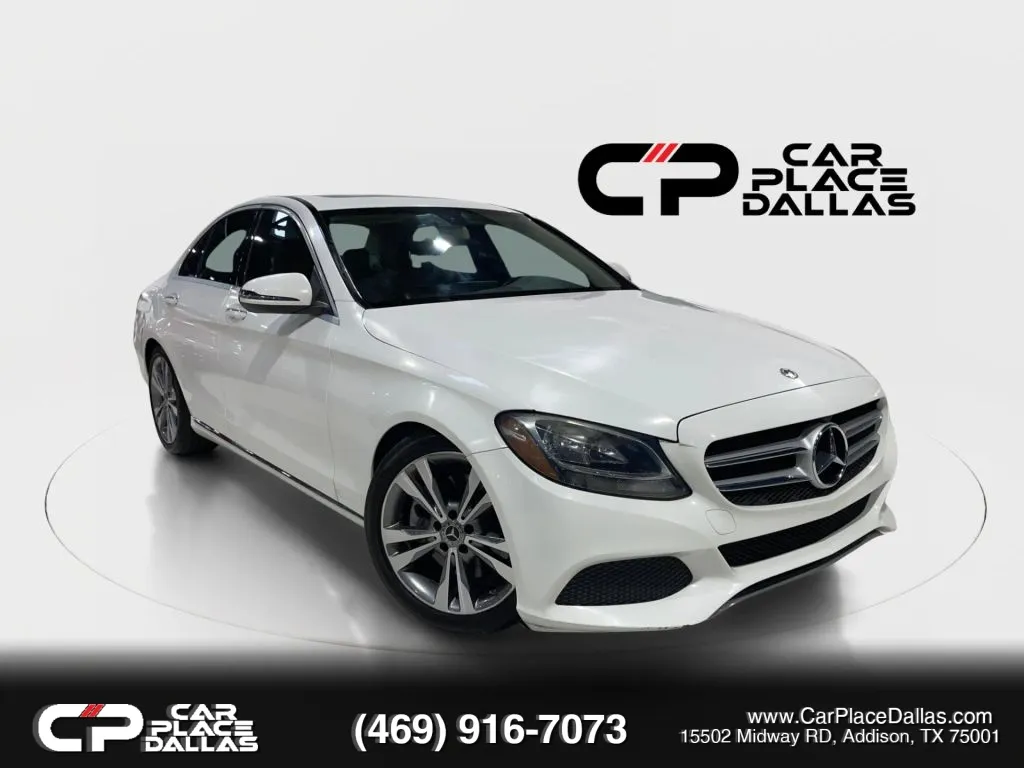
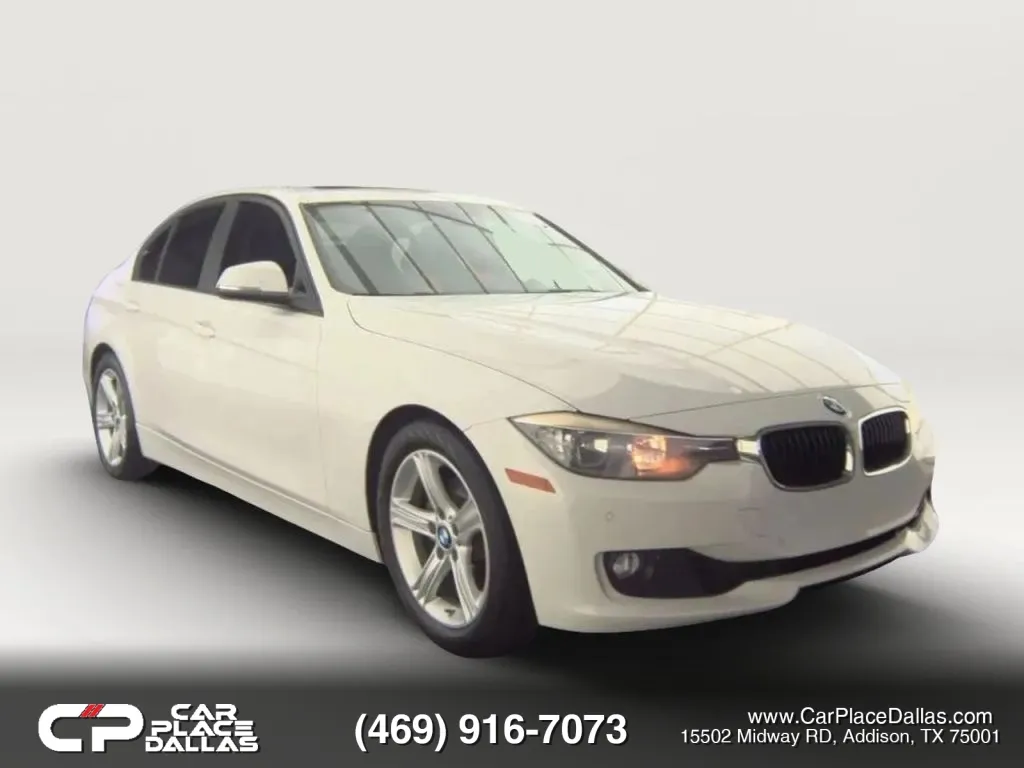
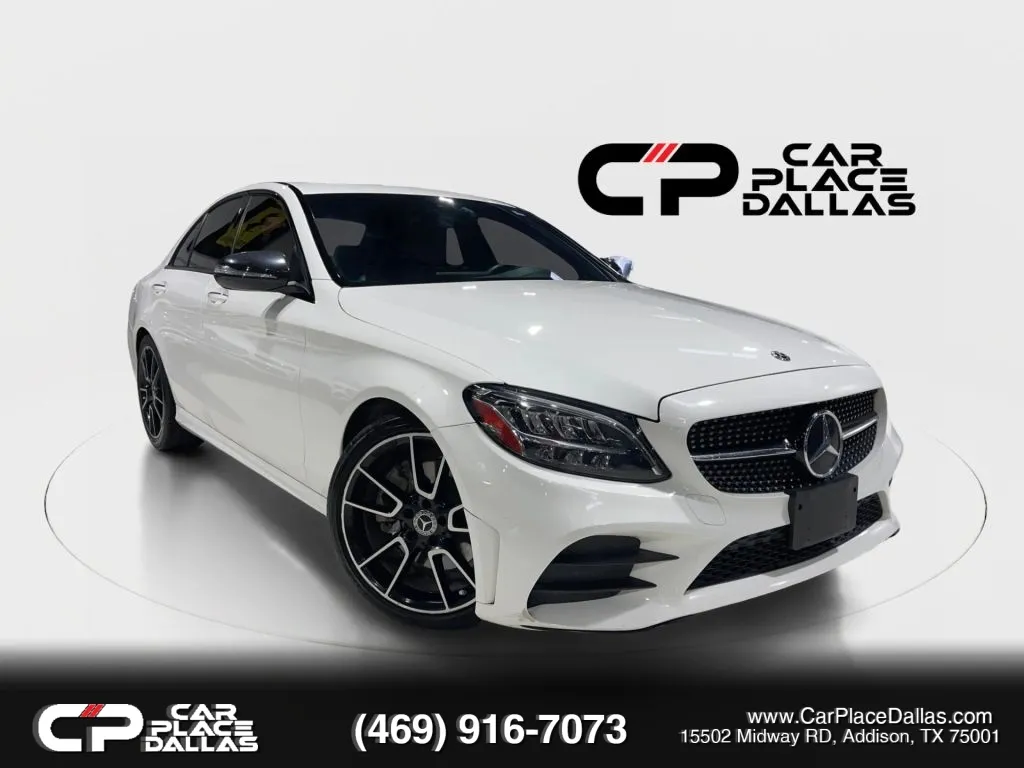
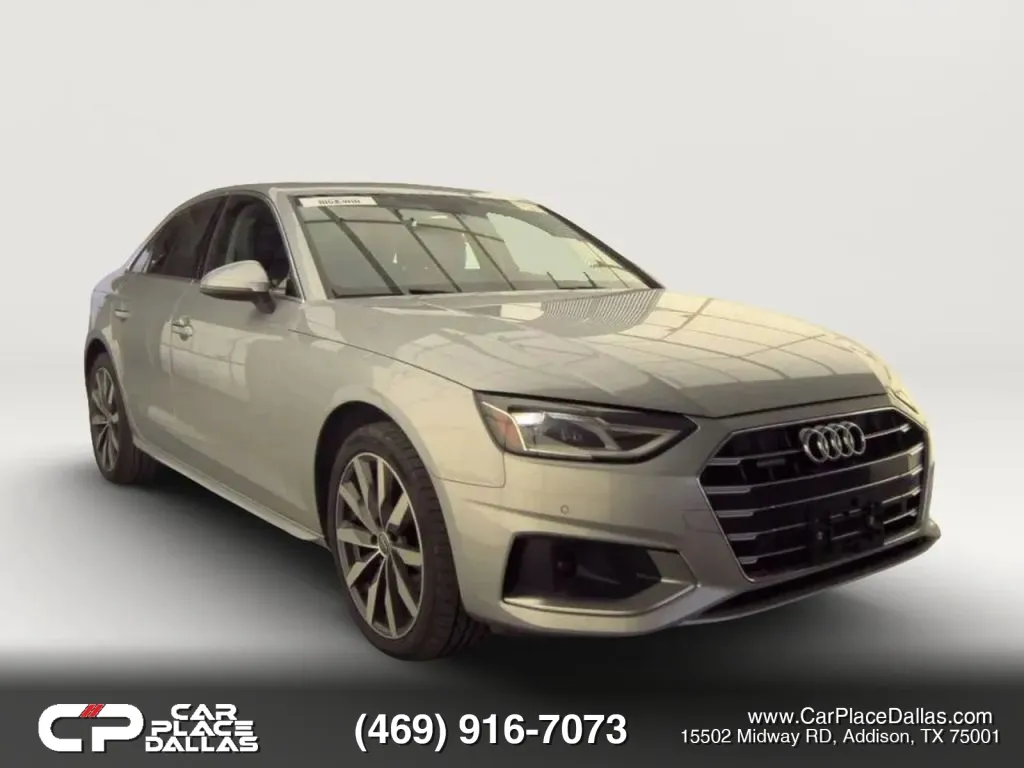
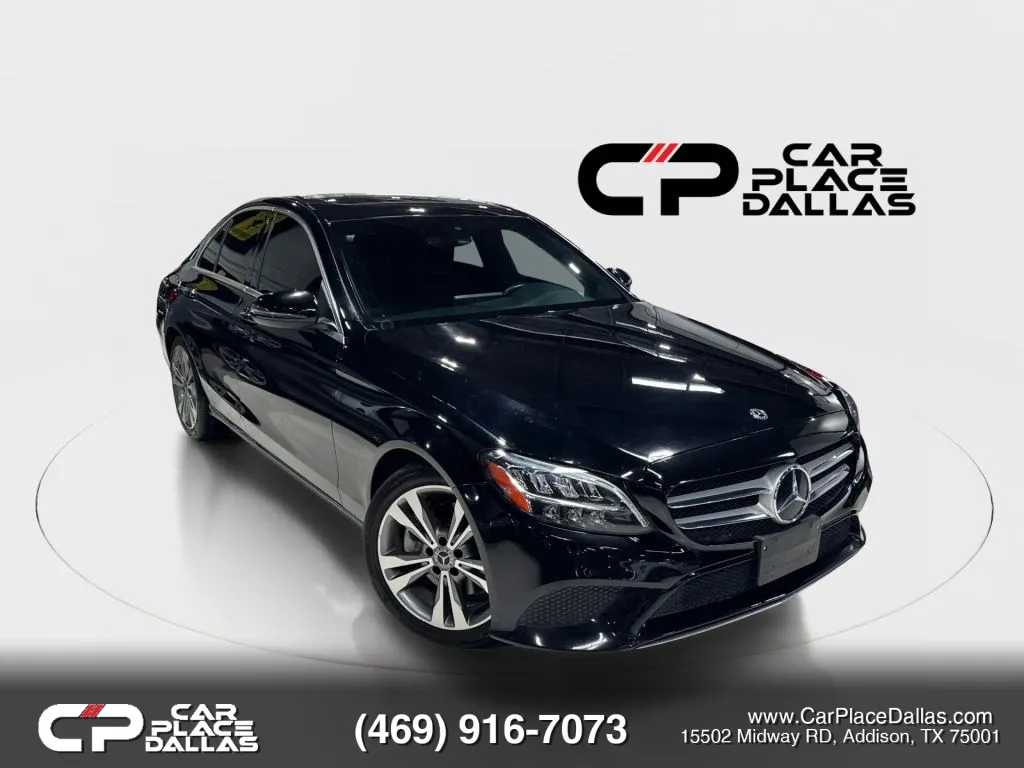
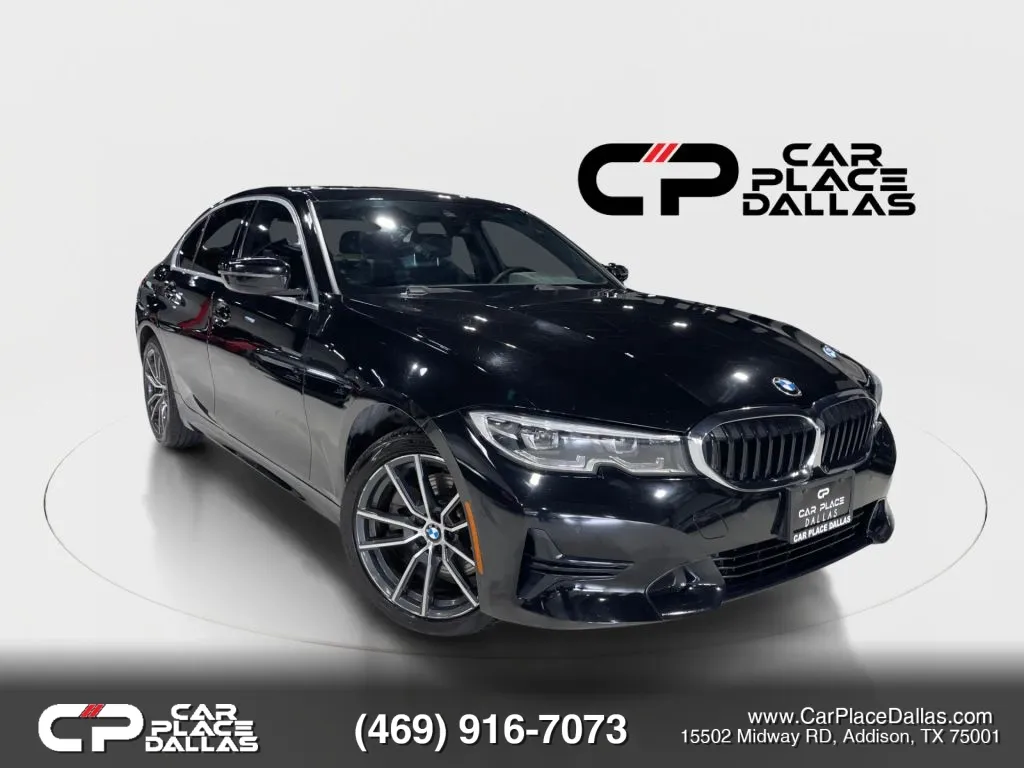
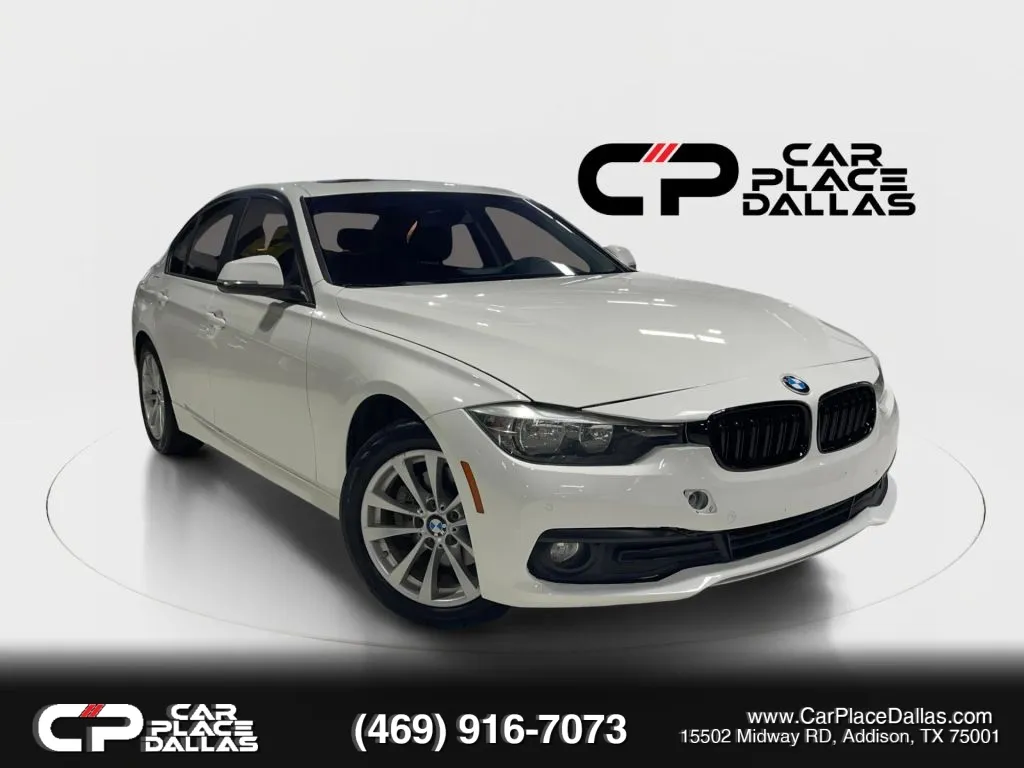
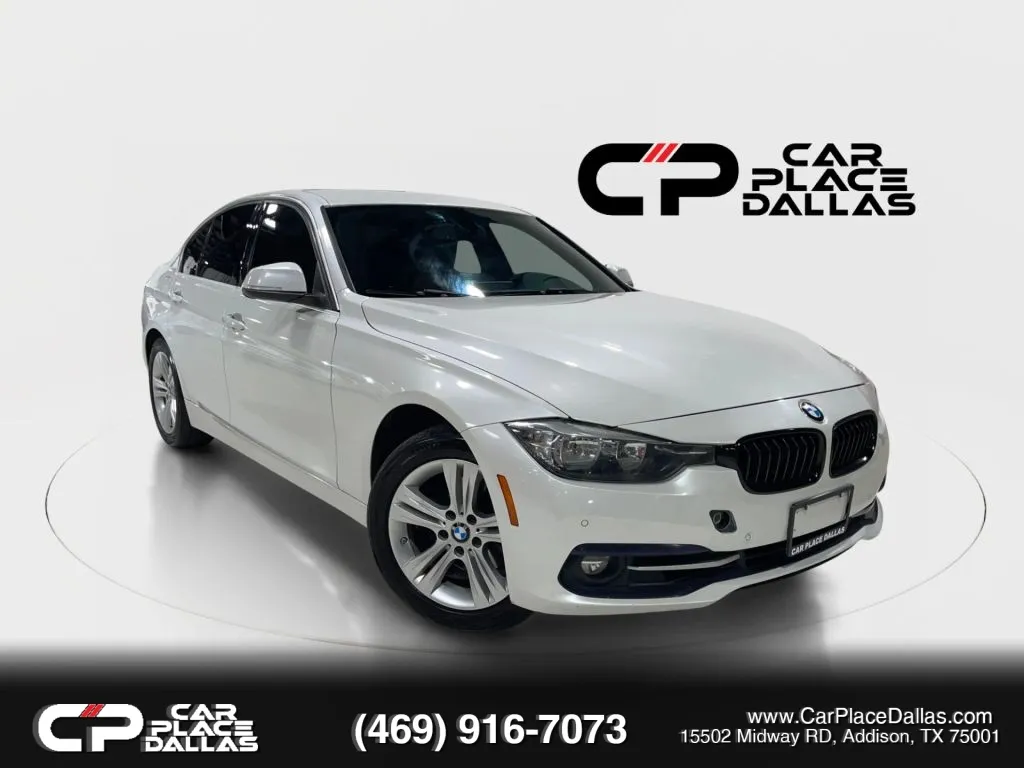
Resale value and time to sell are important considerations when buying pre-owned luxury vehicles. Models with strong demand, proven reliability, and recognized brand prestige typically sell faster and maintain better resale value. Researching past resale trends for specific models like Audi A4, BMW 3 Series, or Mercedes-Benz C-Class can provide useful insights into future value.
A vehicle with full maintenance records, clean title, and updated service items (timing belts, brakes, tires) will be easier to sell later. Choosing popular trims and color options can also shorten time to sell. Work with used car dealers who understand market trends to get fair trade-in estimates and realistic expectations about future resale value.
Conclusion
Common Myths About Buying Pre-Owned Luxury Cars can steer buyers away from excellent opportunities if they're not debunked. By understanding depreciation patterns, warranty options, maintenance realities, and the benefits of certified pre-owned programs, potential buyers can make informed decisions when buying a used luxury car. Research, inspections, and working with a reliable dealer are key to avoiding common misconceptions and enjoying the premium ownership experience without unnecessary risk.
Car Place Dallas, a Used Car Dealership in Dallas, TX, is an example of a dealer that helps buyers navigate myths about buying pre-owned luxury cars. Whether you're looking at used cars for sale, exploring used car finance, or seeking trusted used car dealers, choosing a reputable dealership and verifying service history and warranty options will help you buy used with confidence.
Tags: Luxury Car Buying Tips, Luxury Car Myths, Pre-Owned Luxury, Used Luxury Cars